
Researchers Share Brazilian Experiences and Strengthen Cooperation to Address Hunger and Poverty
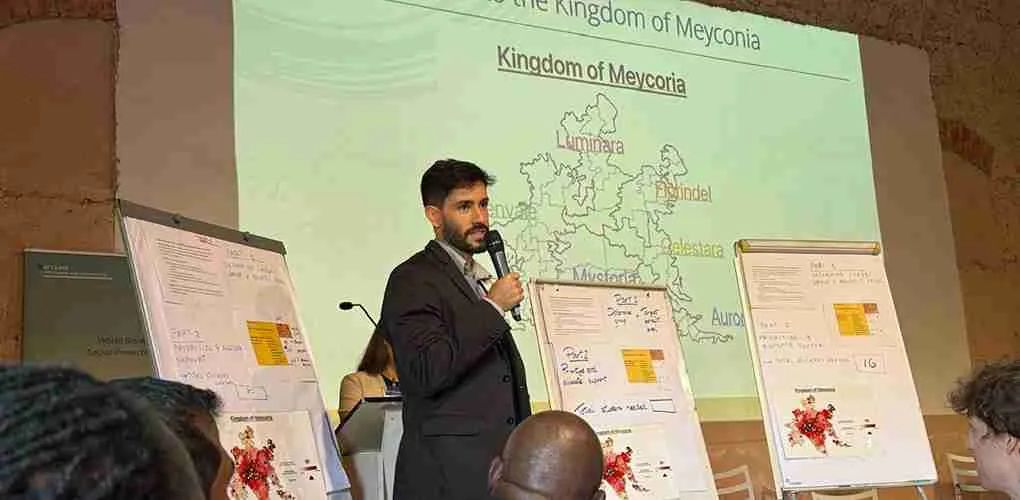
Between March 24 and 28, Fábio Veras Soares and Ricardo Campante Vale, researchers from the Department of International Studies at Ipea, were part of the Brazilian delegation at the World Bank’s Core Course on Adaptive Social Protection, held in Rome, Italy. The event brought together experts to discuss innovations in social protection policies aimed at responding to emergencies and climate-related disasters.
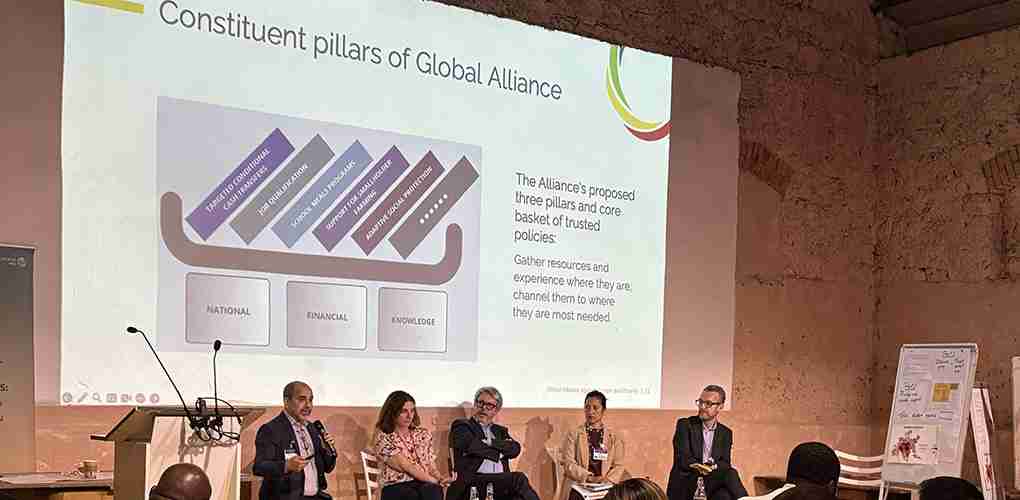
In addition to attending the discussions, Ipea researchers also participated in panel sessions during the course. Fábio Veras presented the Global Alliance Against Hunger and Poverty, outlining its structure, operation, and the set of policy instruments that comprise the “Global Alliance Policy Basket.” Ricardo Campante Vale spoke about food security in Brazil, highlighting the country’s initiatives to combat hunger and malnutrition.
During his presentation, Fábio Veras emphasized the importance of new countries joining the Global Alliance and committing to its three pillars: knowledge, financing, and national engagement. He noted that the Alliance will serve as a support mechanism for nations seeking international cooperation to implement policies to fight hunger and poverty. While the support mechanism of the Global Alliance is still being recruted, Ipea plays a central role in curating the policies, ensuring they are evidence-based and targeted at the most vulnerable populations.
Ricardo Campante Vale highlighted that, after peaking during the pandemic, food insecurity in Brazil has begun to decline. He explained that Brazil’s policies operate on both the demand side, through programs like Bolsa Família, and the supply side, through initiatives such as community-based Solidarity Kitchens. He also stressed the importance of strengthening the governance of the National Food and Nutrition Security System (Sisan) to coordinate these actions across Brazil’s vast territory.
The Brazilian delegation also included representatives from the Ministry of Social Development, Family, and Fight Against Hunger (MDS), Tereza Cotta who presented recent innovations in the Cadastro Único (Unified Registry) and Daniela Santana who spoke about strategies from the Unified Social Assistance System (SUAS) aimed at expanding coverage and improving emergency response, including during the recent floods in Rio Grande do Sul.
While in Rome, Fábio and Ricardo also held meetings with representatives of the Food and Agriculture Organization of the United Nations (FAO). Discussions focused on the arrangements for Ipea to host the office of the Global Alliance Against Hunger and Poverty in Brasilia, as well as a joint work plan for studies on social protection in rural areas and monitoring food security indicators. The use of the socialprotection.org platform, which is technically coordinated by Ipea in partnership with UNRISD, was also discussed as a key channel to disseminate the results of these studies.
2025-04-21 10:01 by IPC-ID